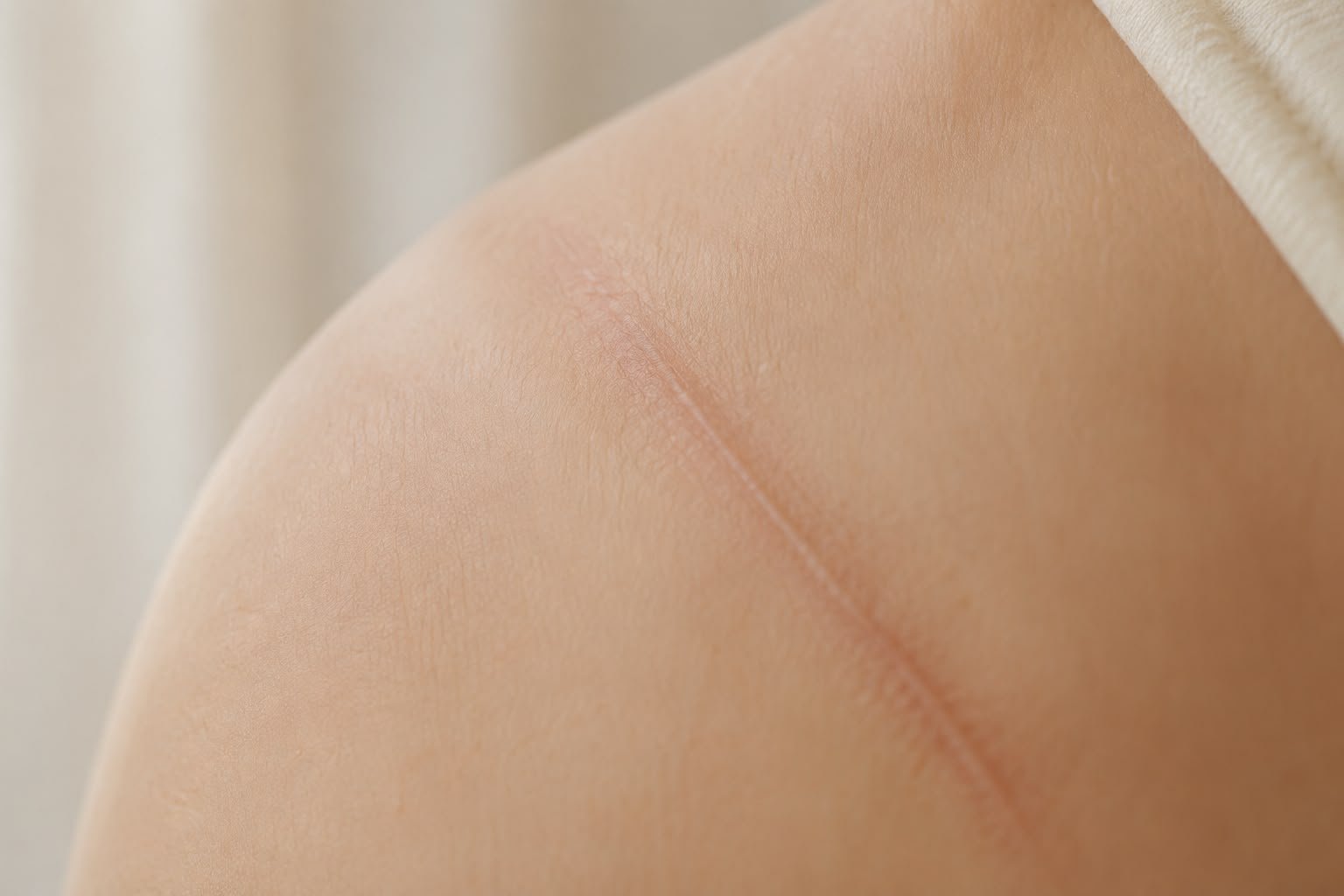
Every scar is a record.
Not a flaw in the design — but the design itself, working exactly as it should.
As a surgeon, I spend a great deal of my working life making incisions and closing them again, and a considerable amount of time afterward explaining to patients what happens next.
Because the truth is, surgery is only the opening line.
The scar is what your body writes over the months that follow.
The Four Acts of Healing
1. Hemostasis — minutes
The moment tissue is cut, the body’s first priority is to stop the bleeding.
Platelets gather at the site and a clot forms — the first temporary scaffold upon which healing begins.
2. Inflammation — the first few days
This is the stage patients often worry about most.
Redness, warmth and mild swelling can look alarming, but in normal healing they are part of the body’s carefully coordinated response. Immune cells clear damaged tissue, protect against infection and signal the next stage of repair.
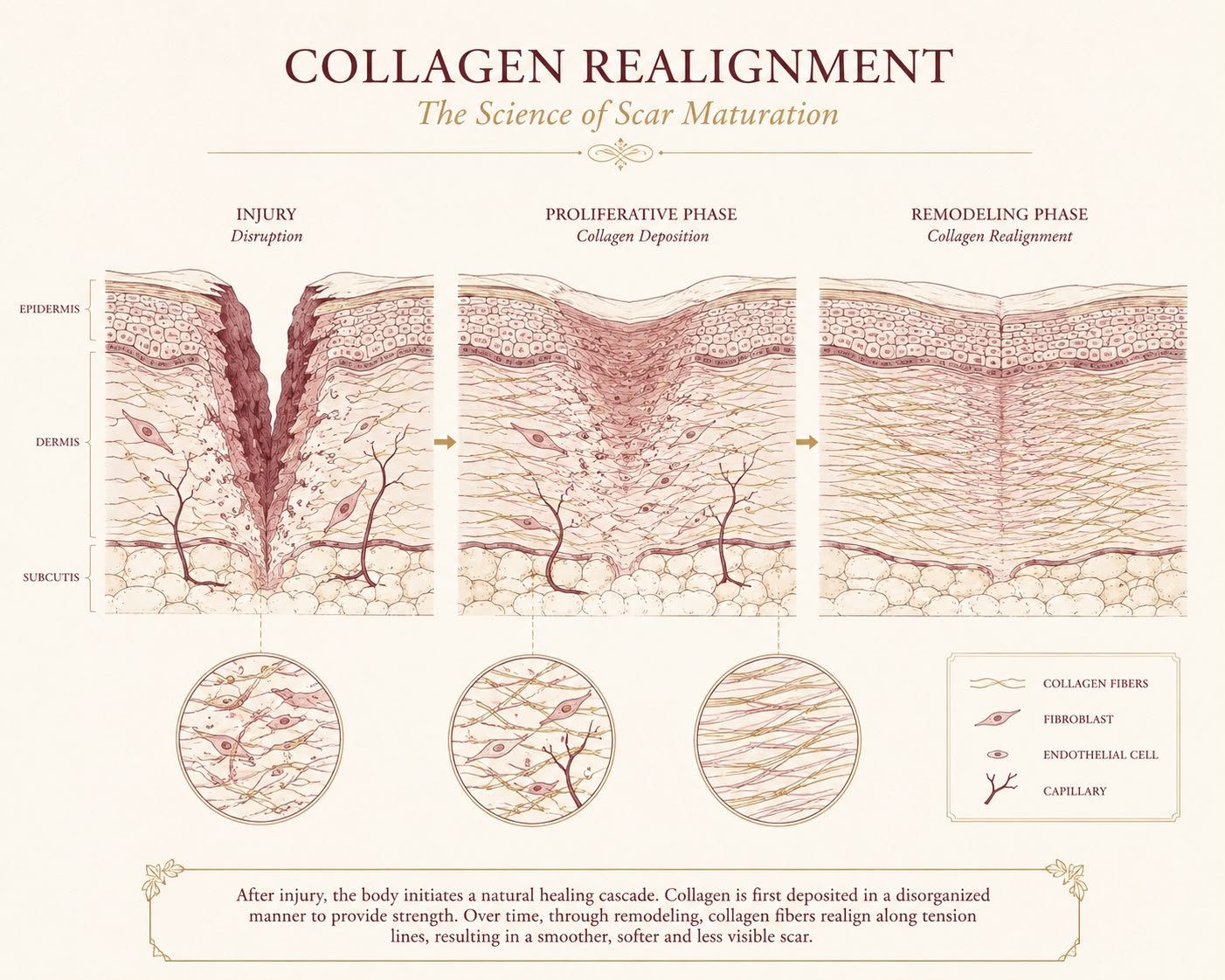
3. Proliferation — roughly week 1 to week 3
This is construction season.
Fibroblasts begin producing collagen. New blood vessels form. The wound edges strengthen and the surface gradually closes.
From the outside, the wound may already appear healed.
Underneath, however, the work is far from finished.
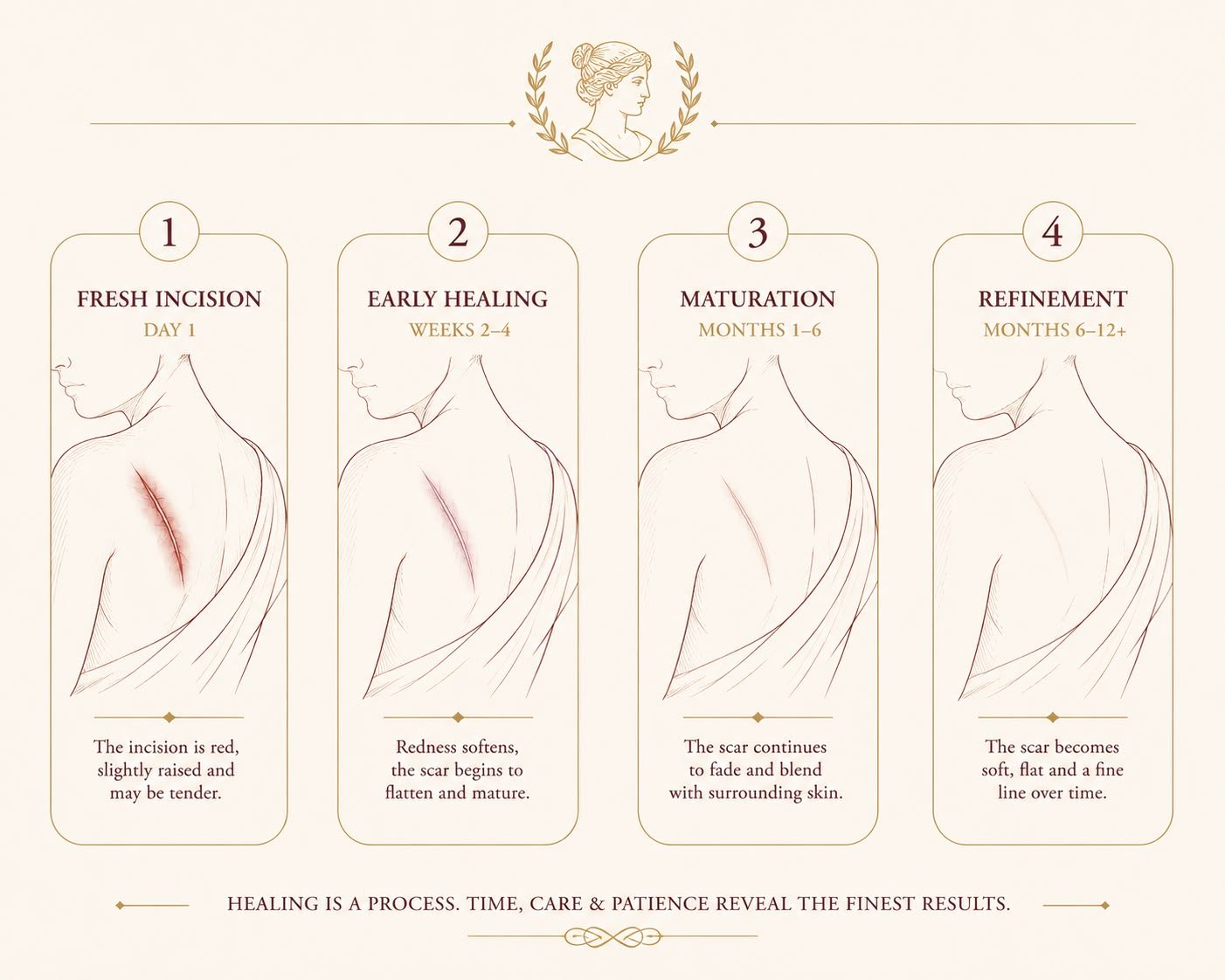
4. Remodeling — months to more than a year
This is the longest and least visible part of healing — and perhaps the part patients hear about least.
The collagen produced early in healing is relatively disorganized and abundant. This is one reason a young scar may appear red, firm or raised.
Over the following months, that tissue is gradually reorganized and remodeled.
That is why a scar at one month and the same scar a year later can look remarkably different.
Why Scars Don’t All Heal the Same Way
Scar formation is influenced by many things: genetics, skin type, the depth and location of the wound, tension across the wound, infection, individual healing biology and how the scar is cared for.
Some scars eventually become barely noticeable fine lines. Others may develop differently.
Hypertrophic scars become raised and sometimes red or itchy, but remain within the boundaries of the original wound.
Keloid scars grow beyond the original wound margins and are more common in people with certain genetic and skin-type predispositions.
Atrophic scars are depressed or sunken and are commonly seen following conditions such as acne or chickenpox.
What Can Actually Help?
Depending on the scar and the individual patient, several simple measures can make a meaningful difference:
- Silicone gel or silicone sheeting — used consistently over a period of months when appropriate.
- Sun protection — particularly while the scar is immature, because UV exposure can make pigmentation more noticeable.
- Gentle scar massage — once the wound has completely healed and your surgeon says it is safe, which may help improve softness, mobility and symptoms in some scars.
- Patience — because scars continue changing long after the stitches have been removed.
Scar maturation commonly takes 12–18 months and occasionally longer.
“So judging a scar at six weeks is rather like judging a building while the scaffolding is still up.”
The Part I Actually Want You to Take Away
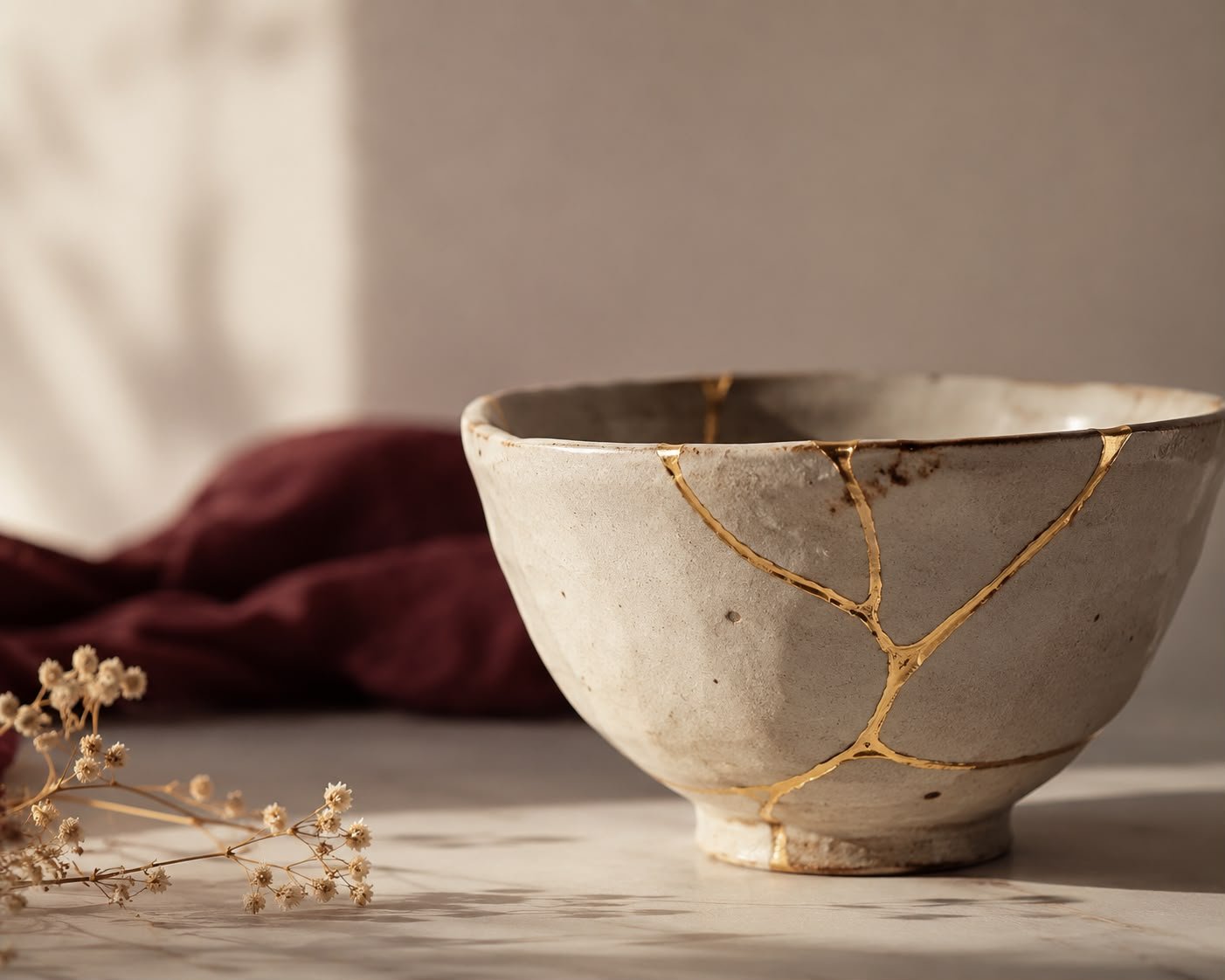
A scar is not necessarily evidence that something went wrong.
It is evidence that something was repaired.
My work in the operating room is only the first sentence of that story.
The rest is written by your body — quietly, gradually, over the months that follow.
My role afterward is simply to help that story read as well as it possibly can.